
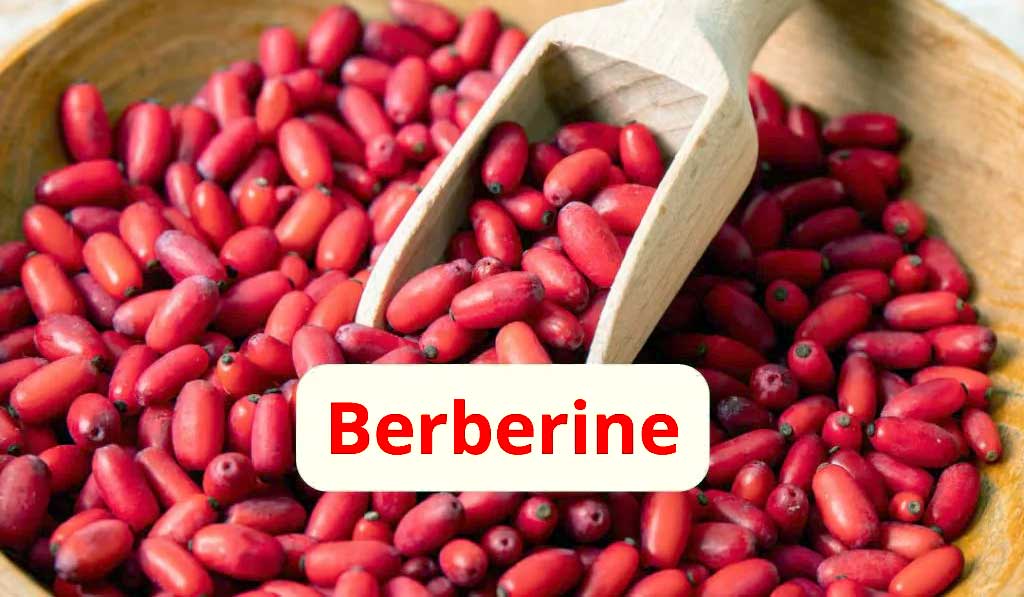
Recent research has shed light on why dihydroberberine (DHB), a metabolite of berberine, demonstrates significantly superior bioavailability compared to its parent compound. A landmark study published in the Journal of Ethnopharmacology showed that DHB achieves plasma concentrations up to 5 times higher than equivalent doses of berberine.
The Bioavailability Problem
Berberine, while pharmacologically potent, suffers from poor oral bioavailability (typically less than 5%). This is primarily due to P-glycoprotein (P-gp) efflux in the intestinal epithelium.
The DHB Solution
Dihydroberberine bypasses P-gp efflux through passive diffusion, resulting in dramatically improved absorption. Once in systemic circulation, DHB is oxidized back to berberine in target tissues.
Clinical Implications
For nutraceutical formulations, DHB allows for lower dosing (100-200mg vs 500mg+), reduced gastrointestinal side effects, and improved patient compliance.